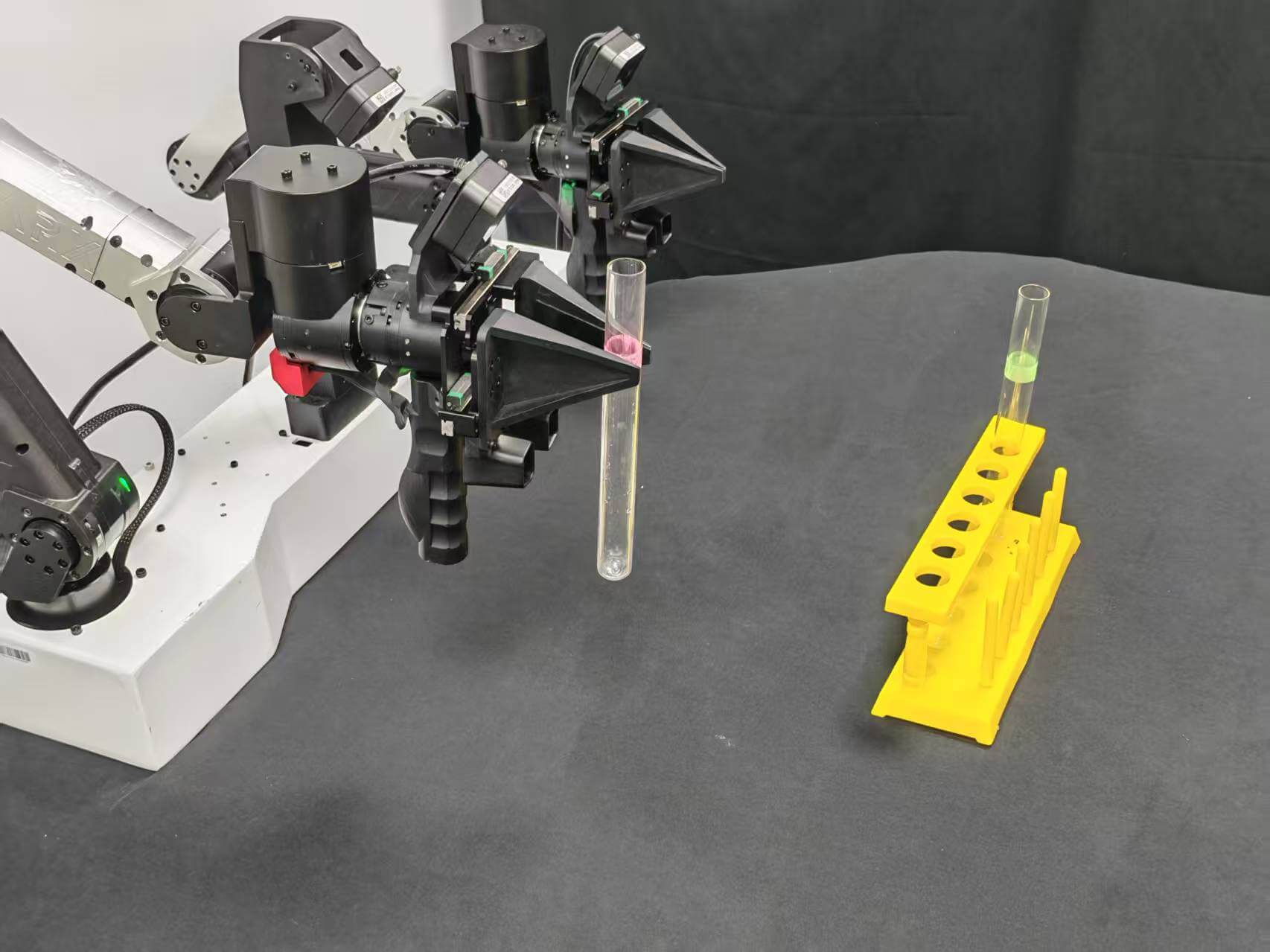
Pick Up Test Tube
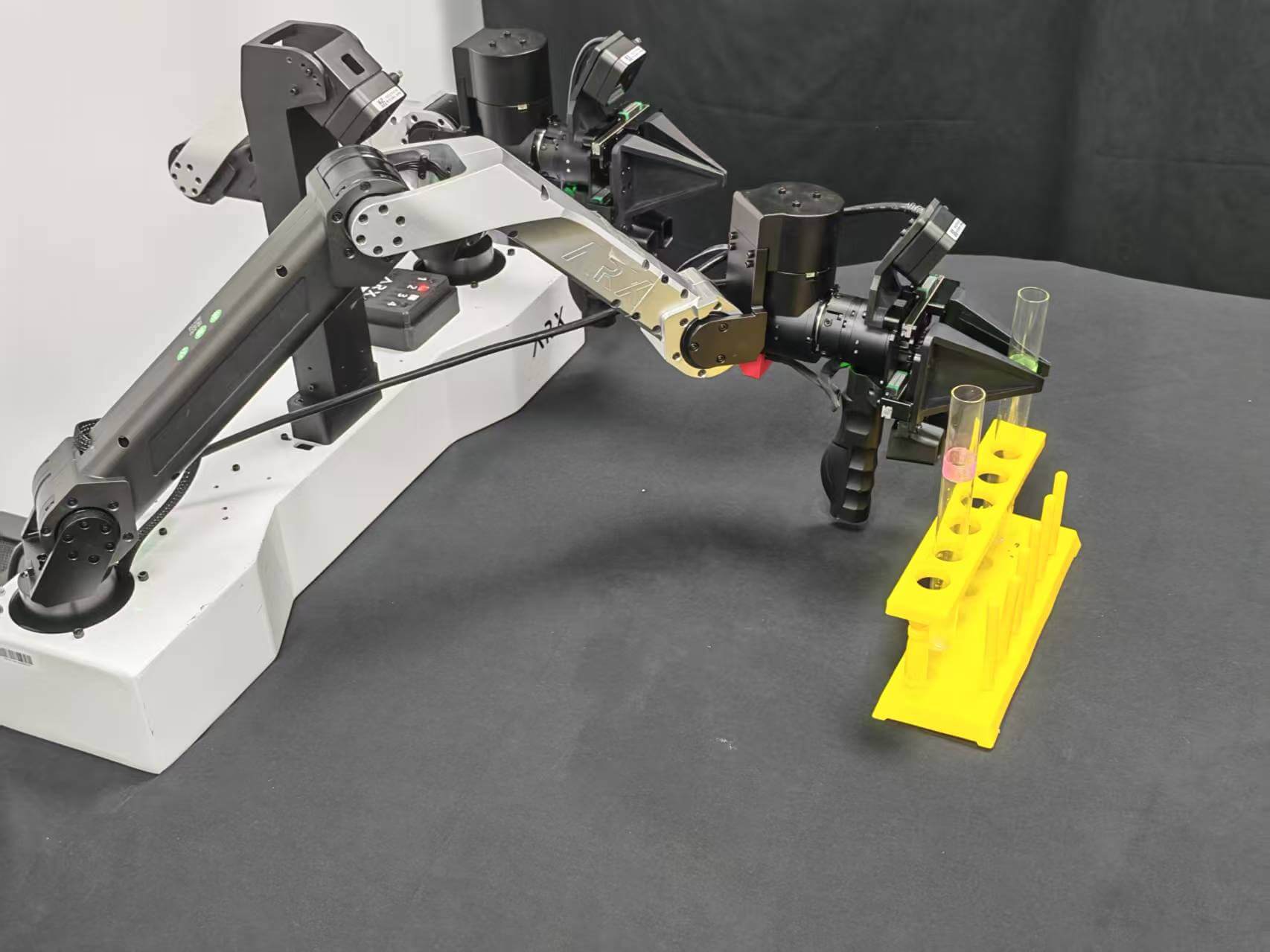
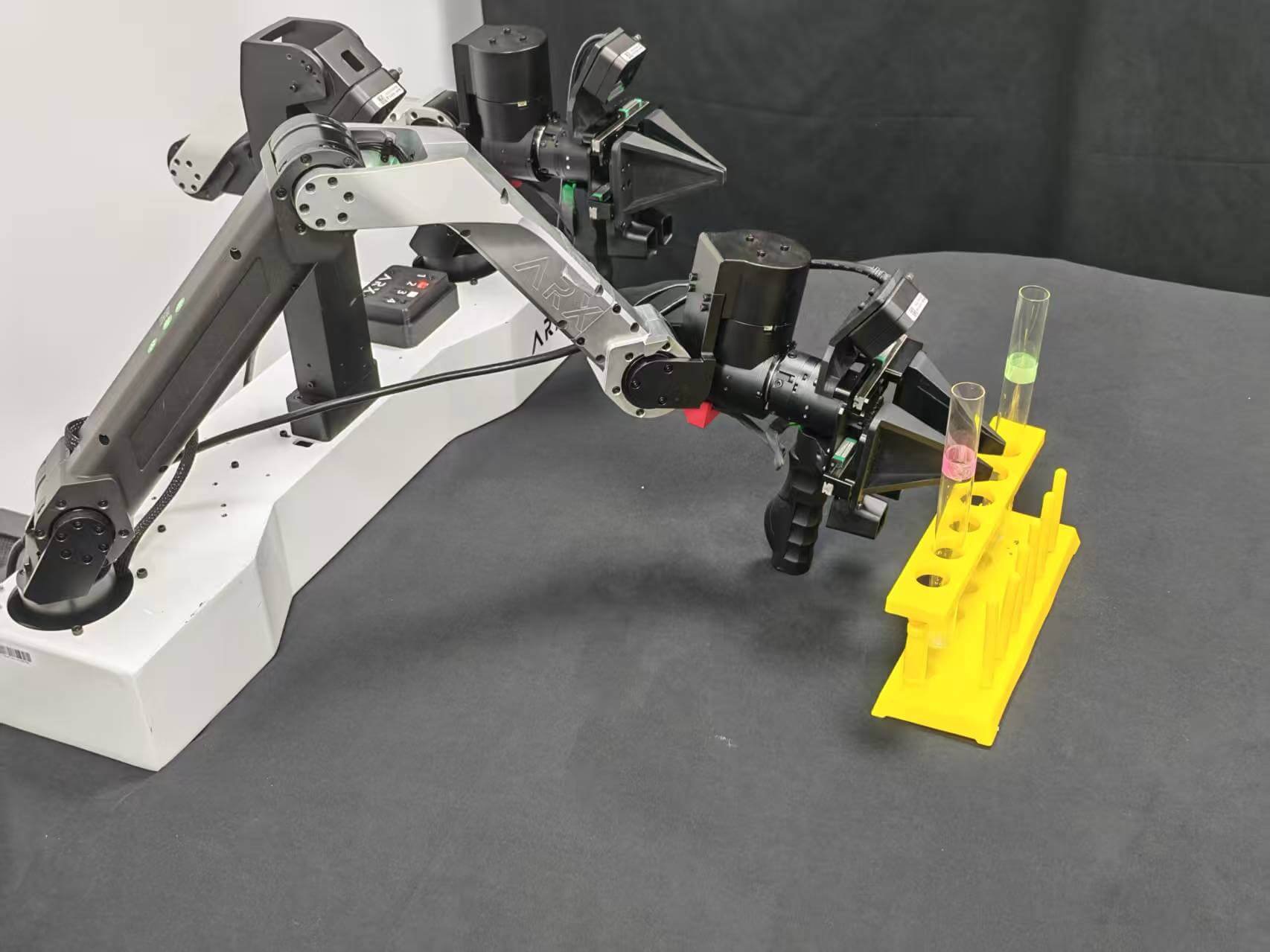
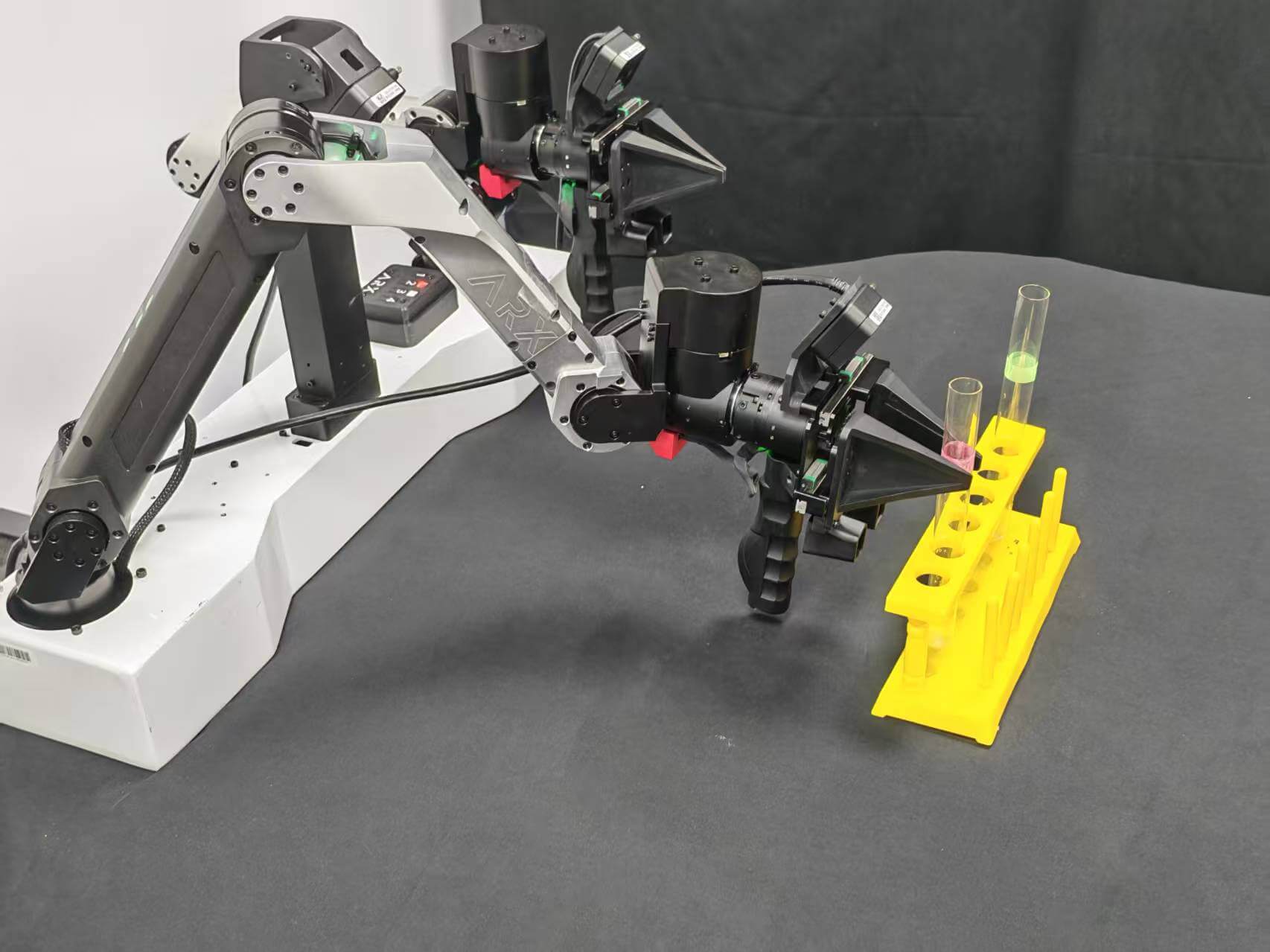
A short visual summary of Zeva, showing how interaction memory supports post-deployment improvement with a frozen policy.
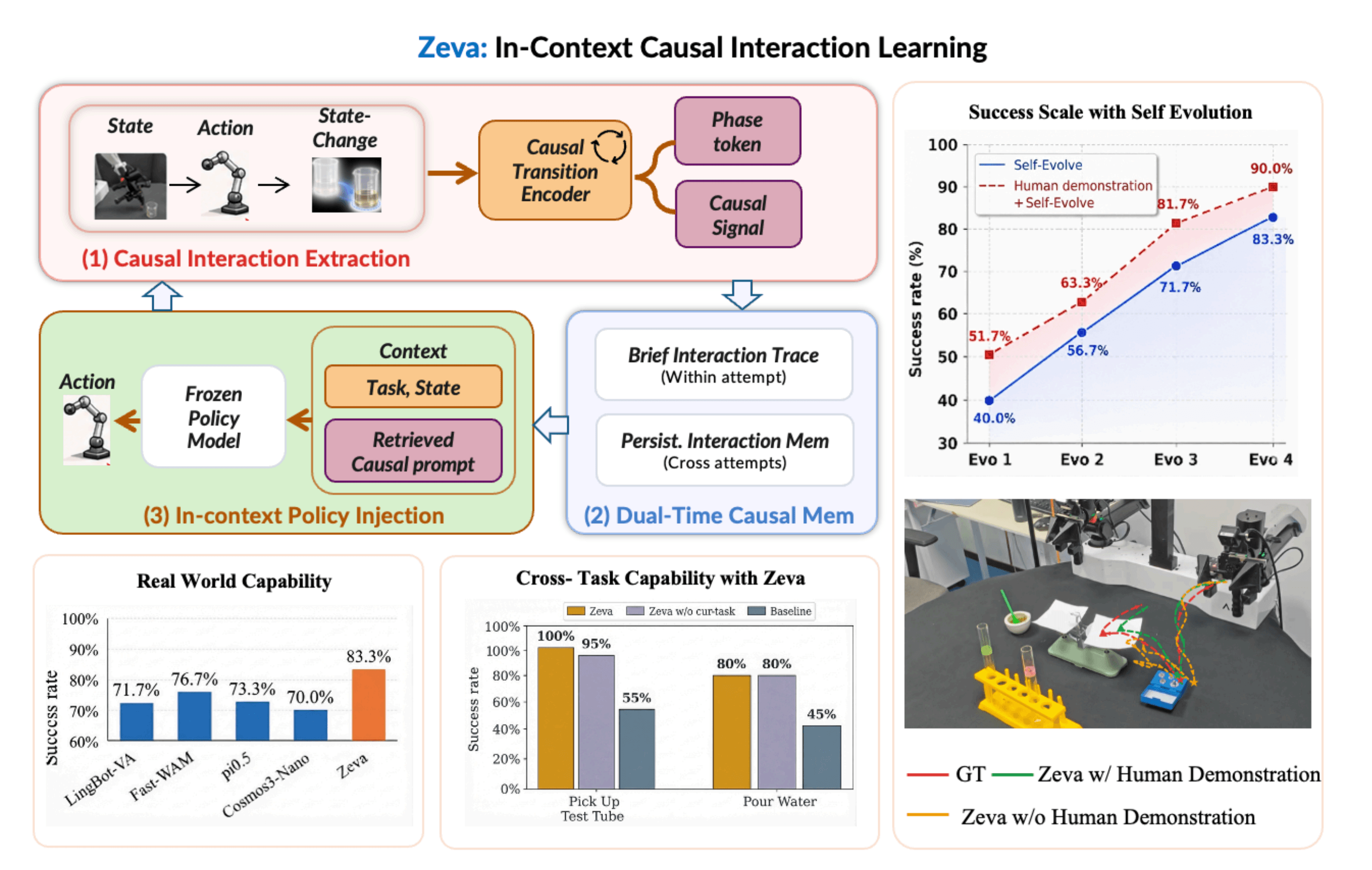
Generalizable embodied manipulation remains difficult to achieve through pretraining alone, due to unseen physical conditions in the real world. We argue that robots need to learn from their own physical interactions on the fly during real-world deployment and use this knowledge to inform subsequent actions. We present Zeva, the first framework that enables in-context learning from a robot's own physical interaction experience while keeping the policy model frozen. Zeva employs a Causal Interaction Extractor to encode an executed action and its induced state change into a causal interaction signal, which is stored in a dual-timescale causal memory. For subsequent actions, relevant causal interaction signals are retrieved from memory and injected into the frozen policy model as context. Experiments in simulation and real-world manipulation demonstrate that Zeva achieves the best performance among the compared frontier VLAs and WAMs and, more importantly, enables self-evolution during deployment without gradient updates. Its success rate continues to improve as the robot accumulates interaction experience. Furthermore, the acquired interaction experience can generalize across tasks.
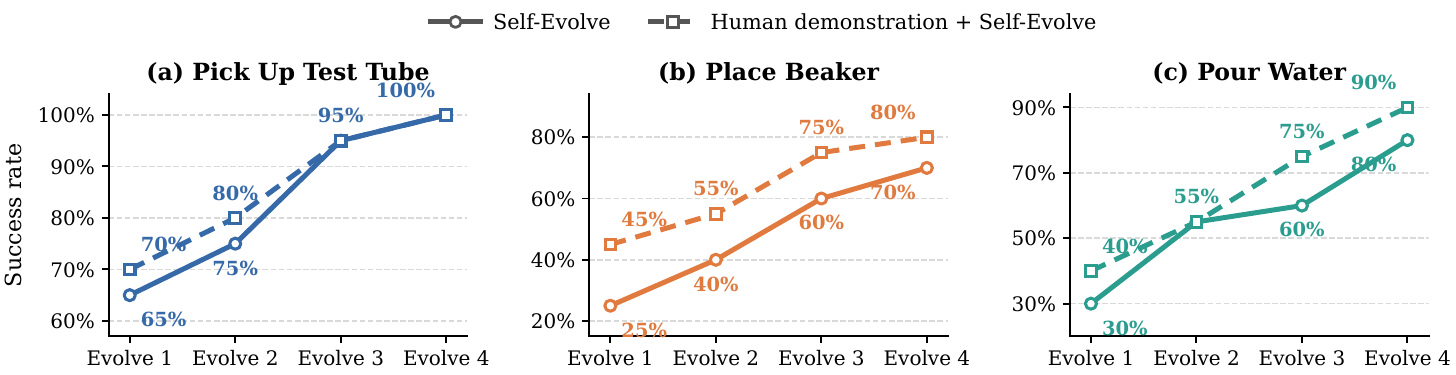
The same frozen policy improves across repeated attempts and can be warm-started by a single human demonstration. The rollout-only video is not included here.
Repeated attempts on a real manipulation task: earlier failures are corrected in later attempts using Persistent Interaction Memory, while the policy weights remain frozen.
A second example of gradient-free self-evolution across attempts, showing how causal interaction evidence changes the subsequent execution.
A human physically guides the robot once; the same frozen policy later reproduces the demonstrated sequence without any weight update.
Zeva is built around one idea: the robot should not only execute from pretrained weights; it should remember what its own actions caused, and let that memory guide the next attempt.
A Causal Transition Encoder (CTE) integrates visual latents, action encodings, and observed effects into a Causal Interaction State, then projects it into a task Phase Token and a Causal Interaction Signal.
A Brief Interaction Trace (BIT) captures recent within-attempt dynamics; a Persistent Interaction Memory (PIM) consolidates cross-attempt evidence within the same episode through similarity-based merging.
Zeva retrieves phase-matched interaction evidence and constructs a Causal Prompt for the frozen foundation policy. During deployment, all parameters remain frozen; only the memories are updated online.
A flow-field visualization comparing standard Flow Matching with Zeva's causal-memory-guided dynamics.
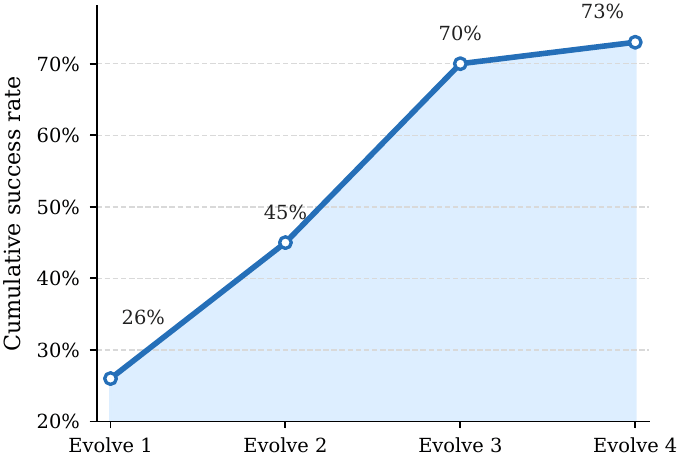
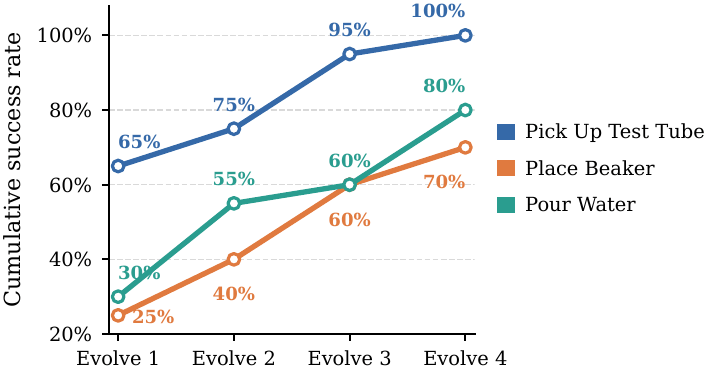
Zeva improves as it interacts. With all policy parameters frozen, cumulative success rises across repeated attempts on both simulation and real hardware.
| Method | ElectricKettle | ToasterOvenDoor | Microwave | CoffeeSetupMug | StandMixerHead | Avg. |
|---|---|---|---|---|---|---|
| LingBot-VA | 63 | 60 | 70 | 35 | 48 | 55.2 |
| Xiaomi-Robotics-1 | 17 | 16 | 82 | 6 | 35 | 31.2 |
| τ0-WM | 15 | 32 | 63 | 12 | 23 | 29.0 |
| Fast-WAM | 88 | 66 | 60 | 54 | 94 | 72.4 |
| Cosmos3-Nano | 76 | 74 | 76 | 6 | 92 | 64.8 |
| Zeva | 78 | 86 | 84 | 44 | 92 | 76.8 |
Success rates (%) on RoboCasa365-Atomic5. Bold marks the best per task; shaded row is Zeva.
| Method | Pick Up Test Tube | Place Beaker | Pour Water | Level 1 Avg. | Titration | Prepare Salt Solution | Level 2 Avg. | Balance Weighing | Extraction | Level 3 Avg. |
|---|---|---|---|---|---|---|---|---|---|---|
| LingBot-VA | 80 | 70 | 65 | 71.7 | 55 | 75 | 65.0 | 5 | 0 | 2.5 |
| Fast-WAM | 85 | 70 | 75 | 76.7 | 45 | 55 | 50.0 | 0 | 0 | 0.0 |
| π0.5 | 95 | 60 | 65 | 73.3 | 60 | 50 | 55.0 | 0 | 0 | 0.0 |
| Cosmos3-Nano | 80 | 70 | 60 | 70.0 | 45 | 60 | 52.5 | 0 | 0 | 0.0 |
| Zeva | 100 | 70 | 80 | 83.3 | 70 | 70 | 70.0 | 5 | 10 | 7.5 |
Success rates (%) over 20 randomized episodes on the real-world ChemLab-Evo benchmark.
| Method | Balance Weighing | Extraction | Avg. |
|---|---|---|---|
| LingBot-VA | 28.75 | 40.00 | 34.38 |
| Fast-WAM | 22.50 | 58.57 | 40.54 |
| π0.5 | 33.75 | 31.43 | 32.59 |
| Cosmos3-Nano | 38.75 | 50.71 | 44.73 |
| Zeva | 47.50 | 67.14 | 57.32 |
Process scores report the average percentage of ordered stages completed on the two long-horizon tasks.
| BIT | PIM | Pick Up Test Tube | Place Beaker | Pour Water | Titration | Salt Solution |
|---|---|---|---|---|---|---|
| ✓ | ✓ | 100 | 70 | 80 | 70 | 70 |
| ✓ | 80 | 50 | 50 | 40 | 55 | |
| ✓ | 85 | 60 | 70 | 60 | 50 | |
| 65 | 40 | 45 | 25 | 35 |
Real-world ablation (SR %) on five ChemLab-Evo tasks over 20 randomized episodes. Removing PIM reduces SR by 10–20 points; removing BIT causes a larger 15–30 point drop.
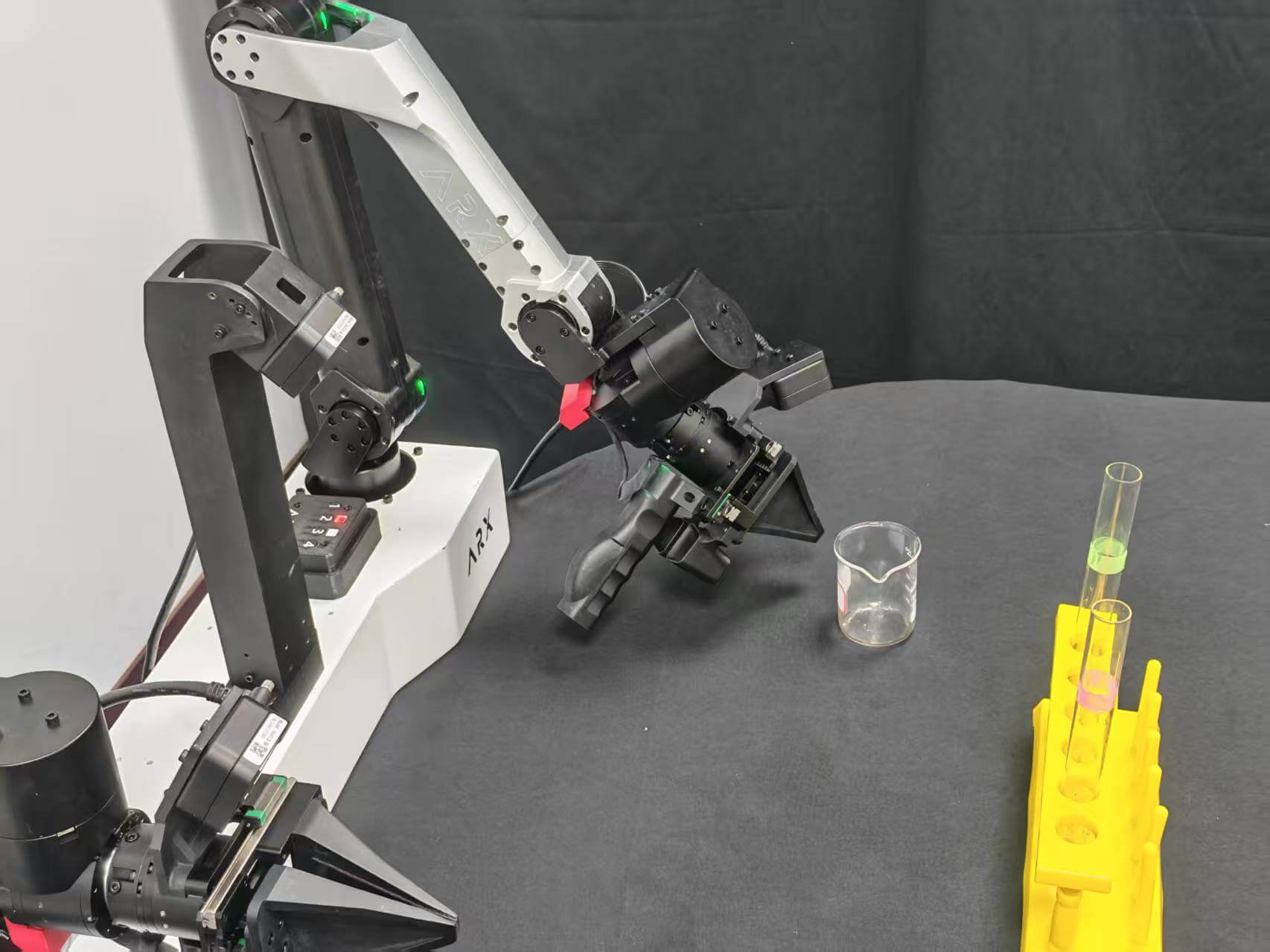
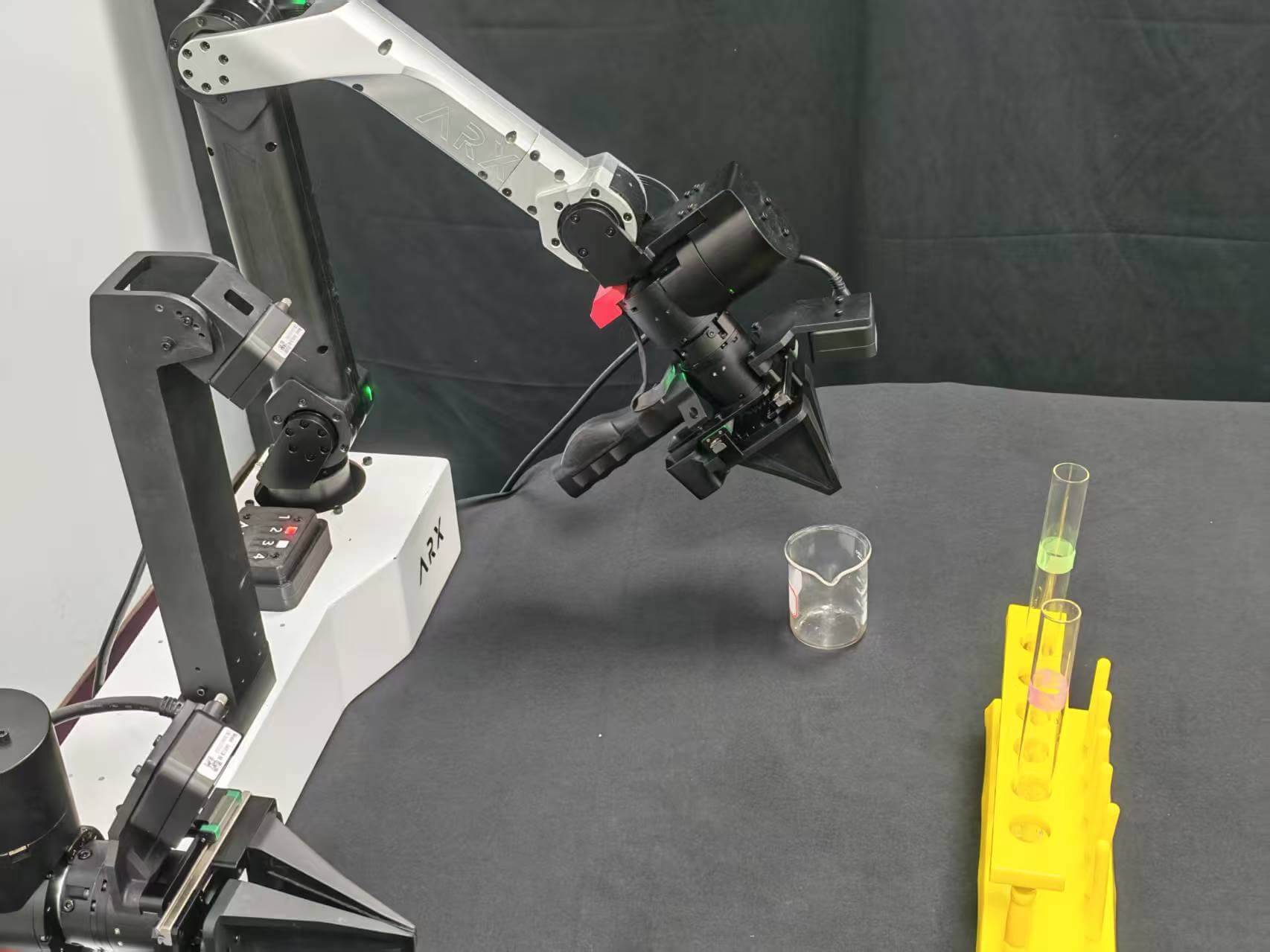
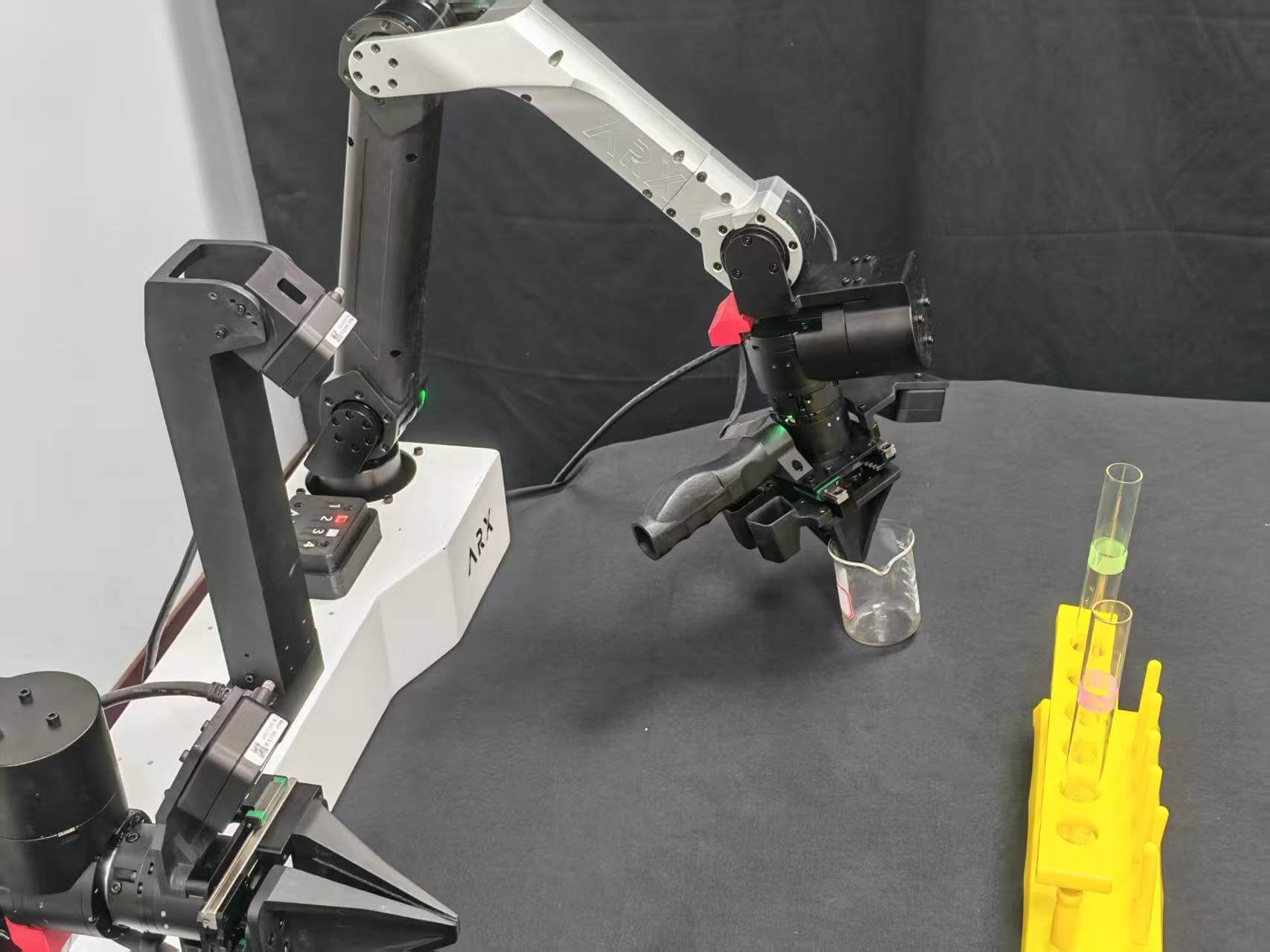
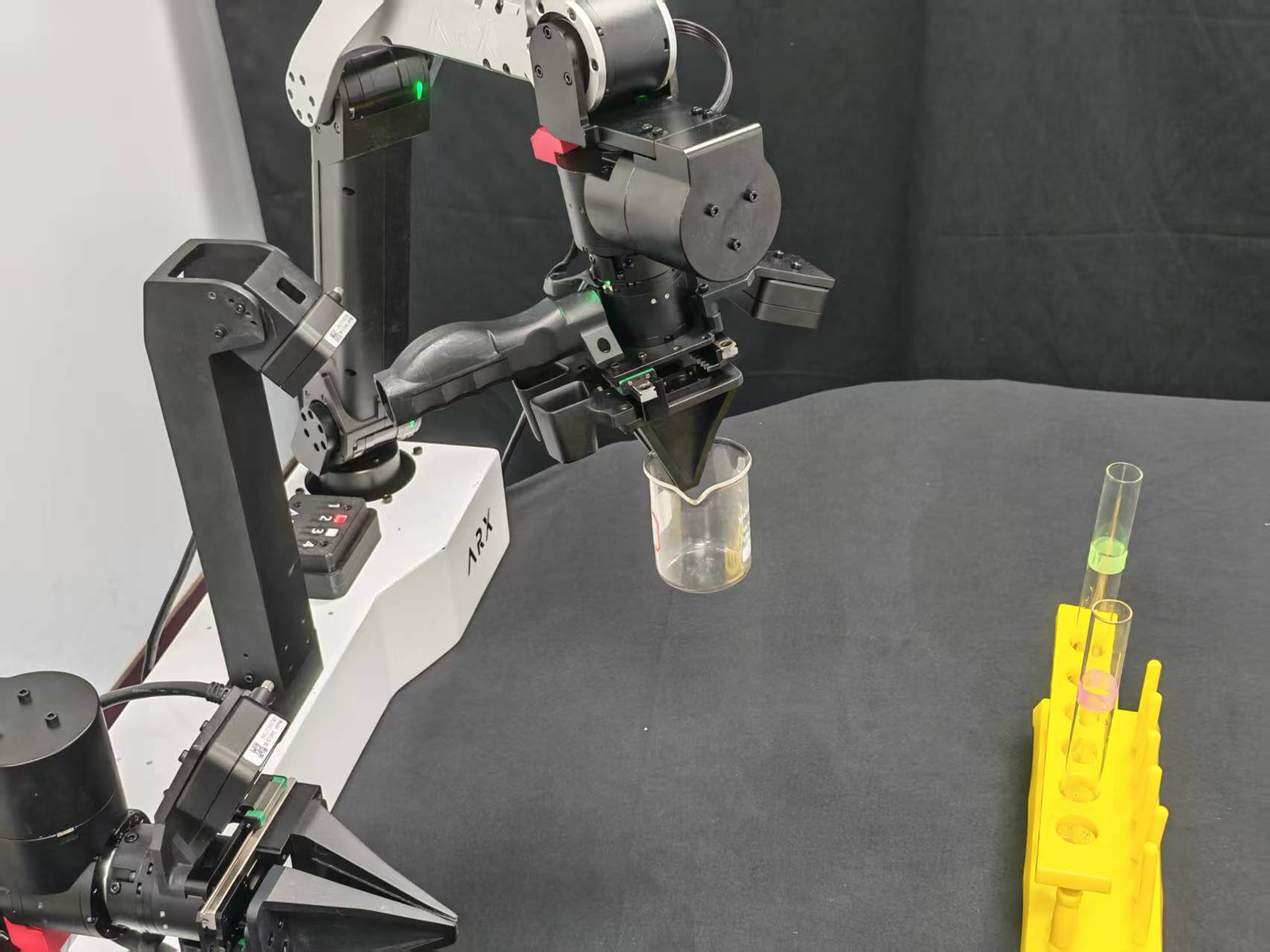
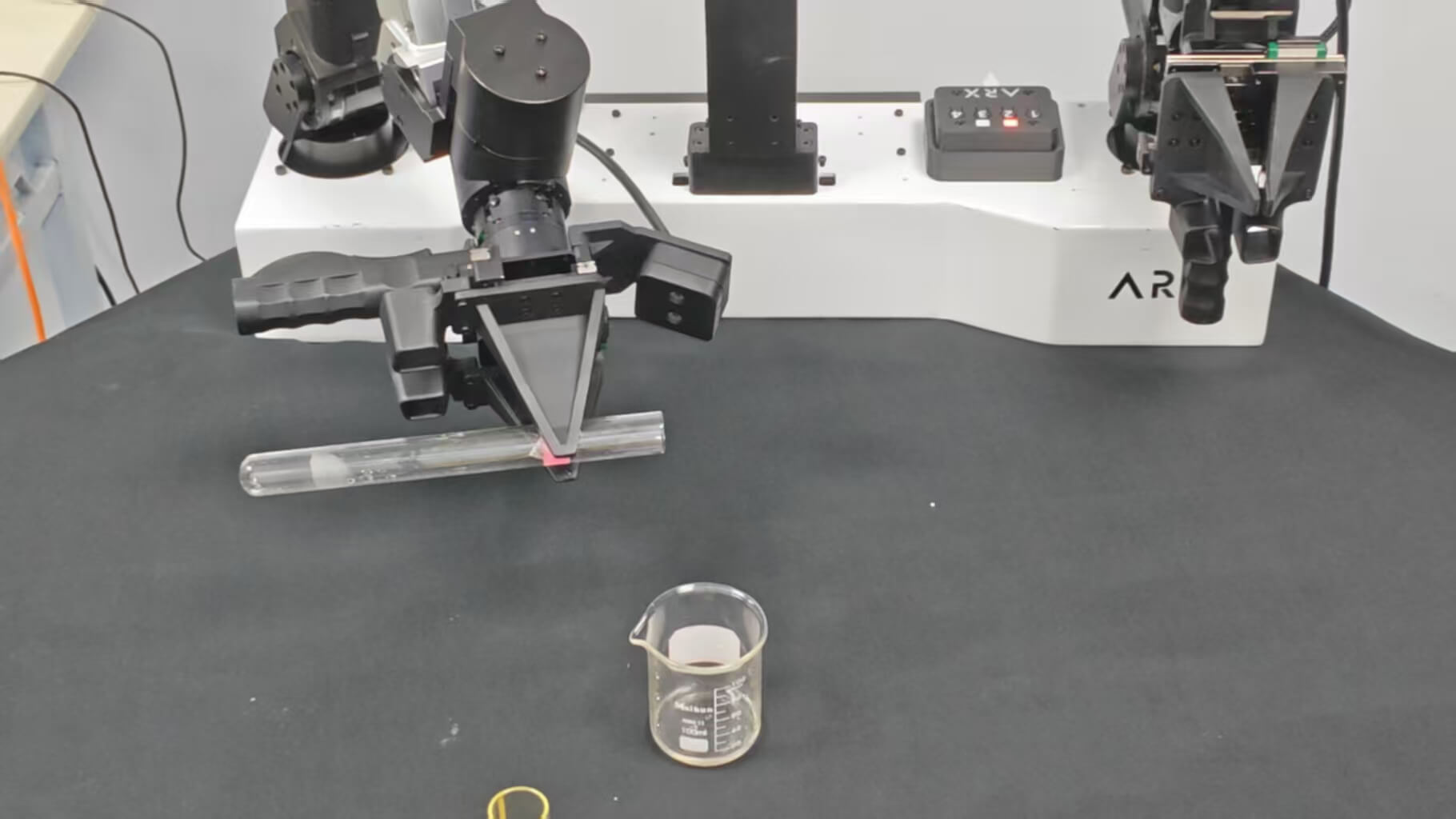
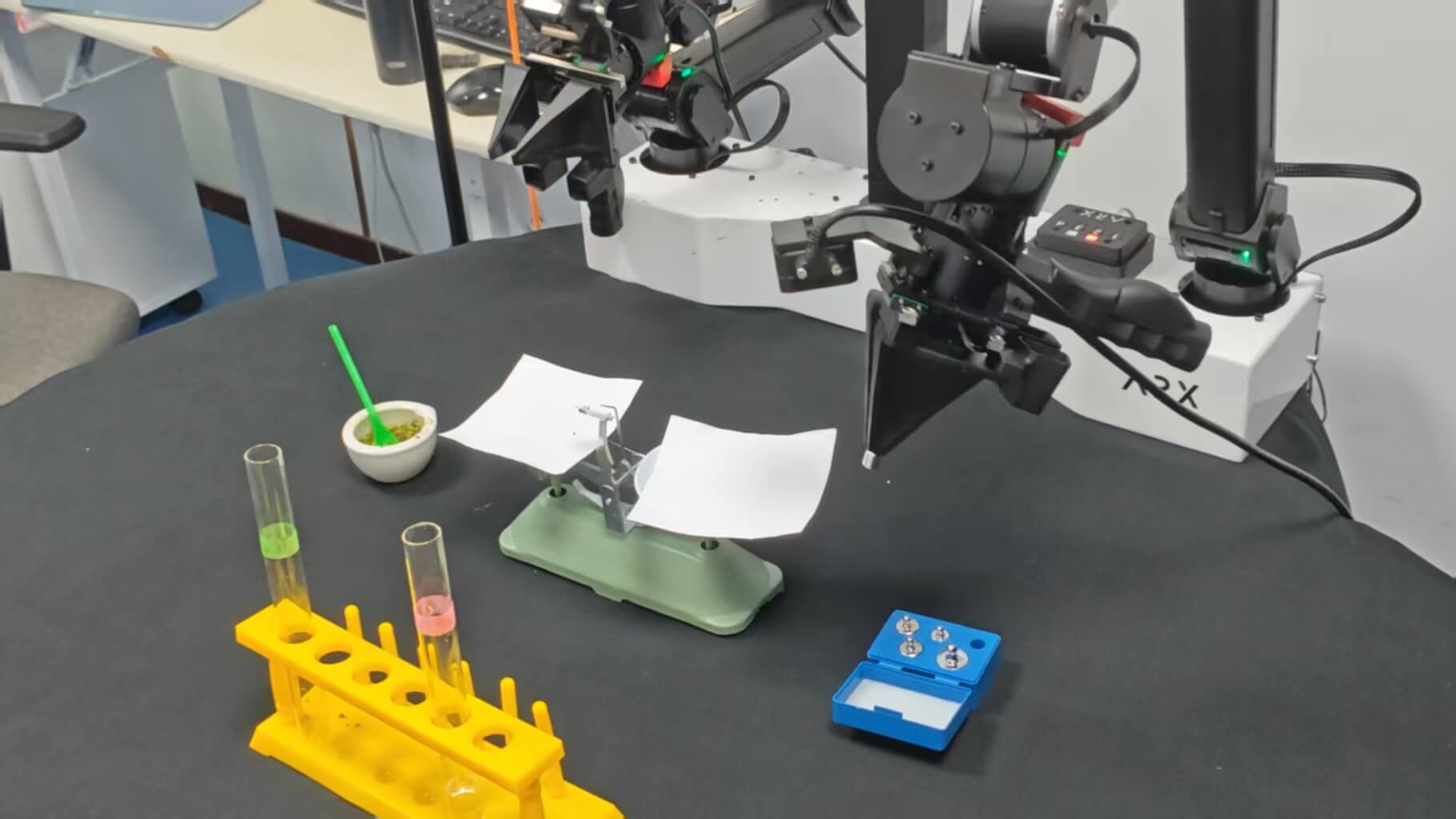
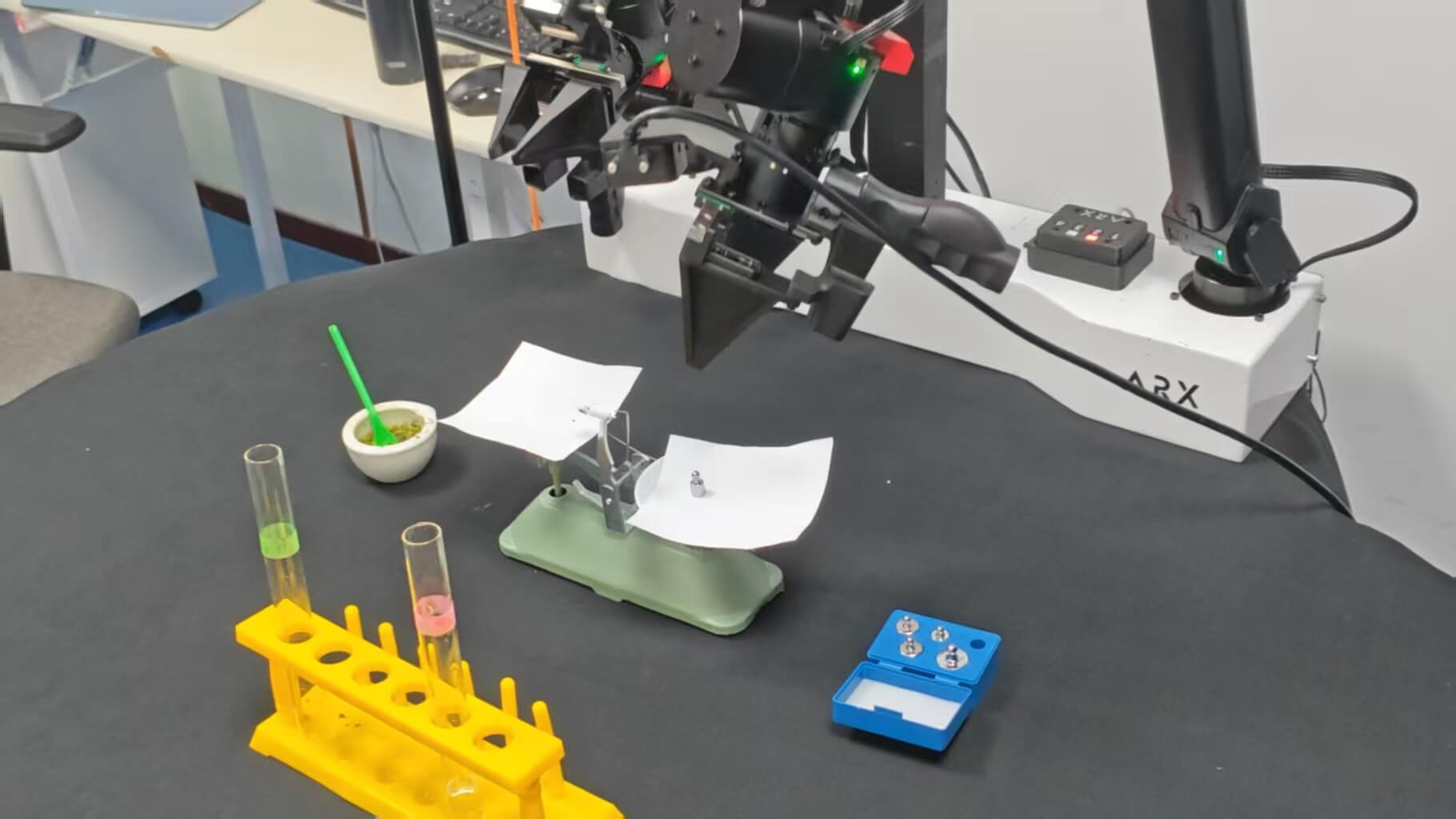
On the ARX manipulator, the frames trace how interaction memory turns failed attempts into a subsequent successful attempt.
For Pick Up Test Tube and Place Beaker, the two green frames are successive stages of the same continuous successful attempt.
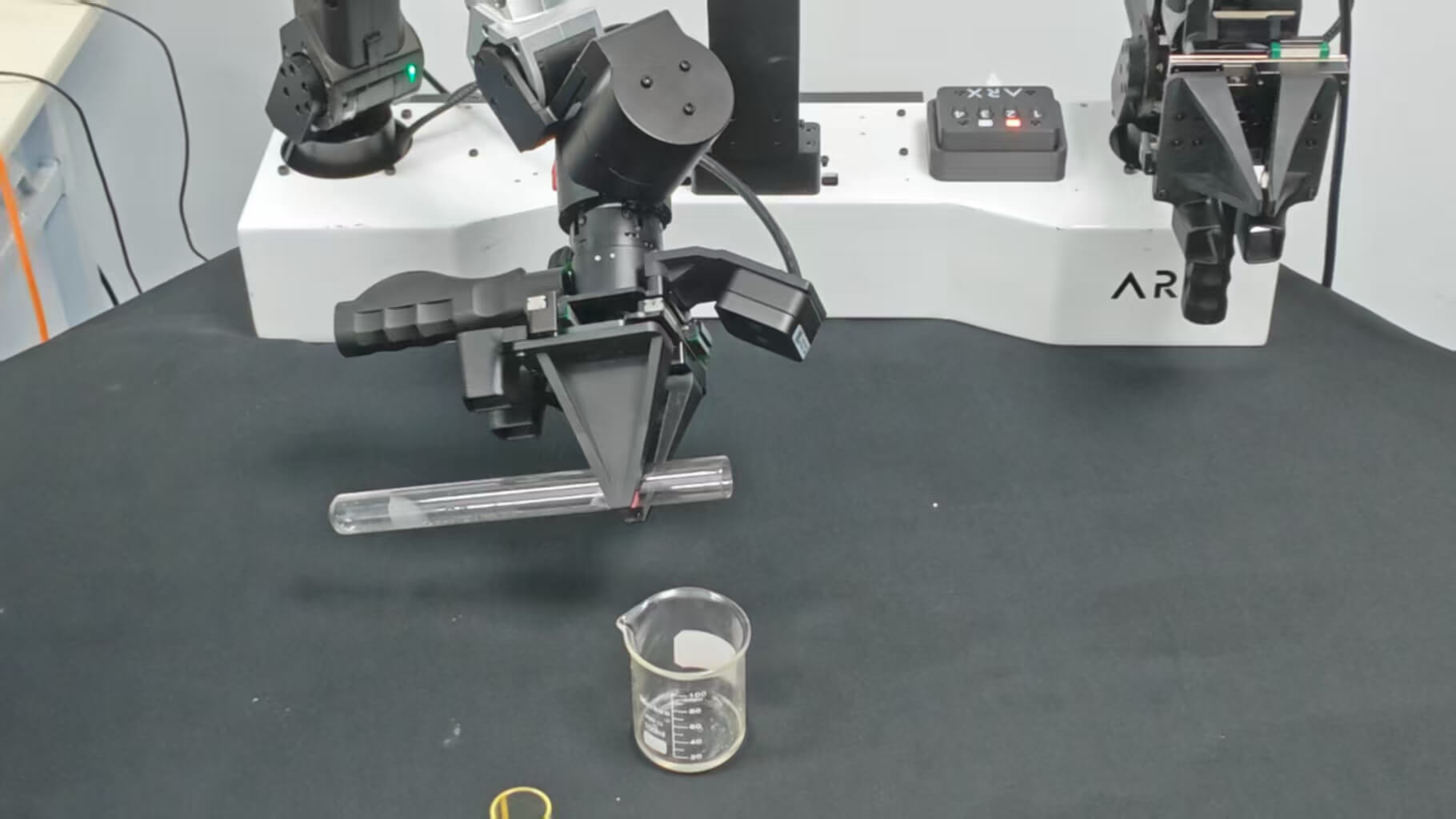
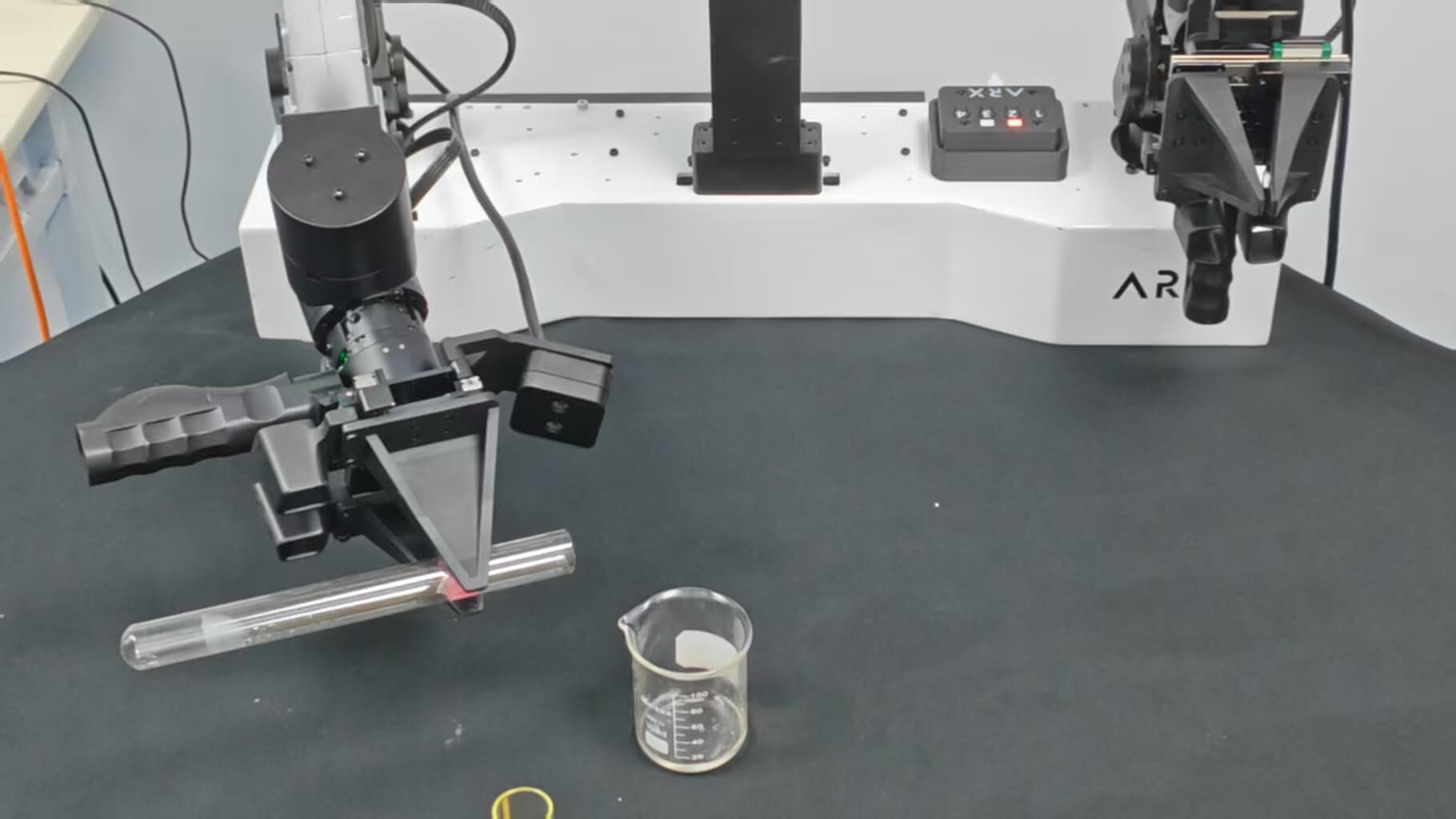
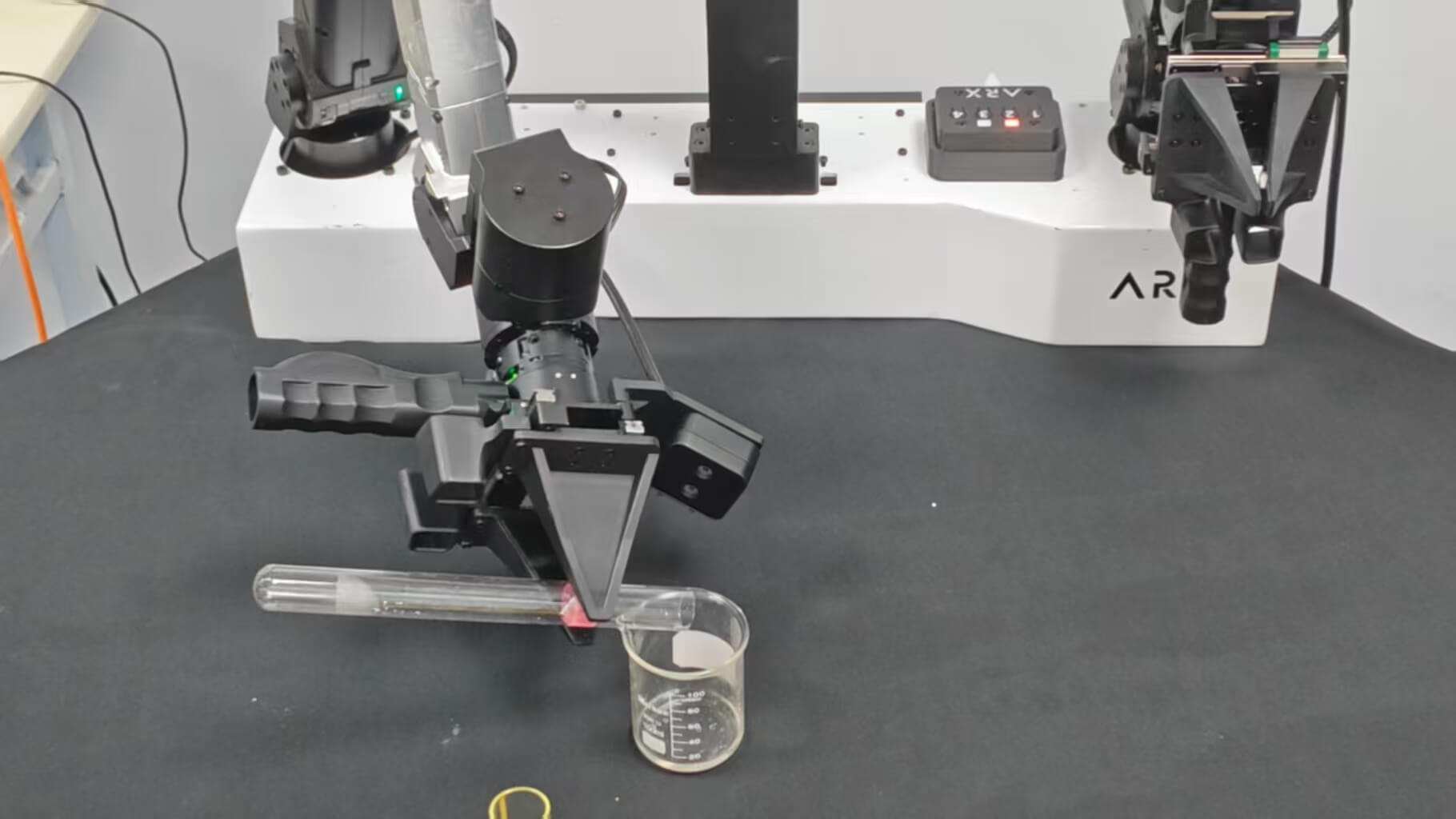
The VBD effect token captures action-induced state changes beyond task-specific appearance. For each query transition, nearest neighbors are retrieved from other tasks by effect-token cosine similarity. Despite changes in objects, viewpoints, and instructions, the retrieval aligns functionally equivalent effects: container tilting, gripper closure, and post-grasp lifting.
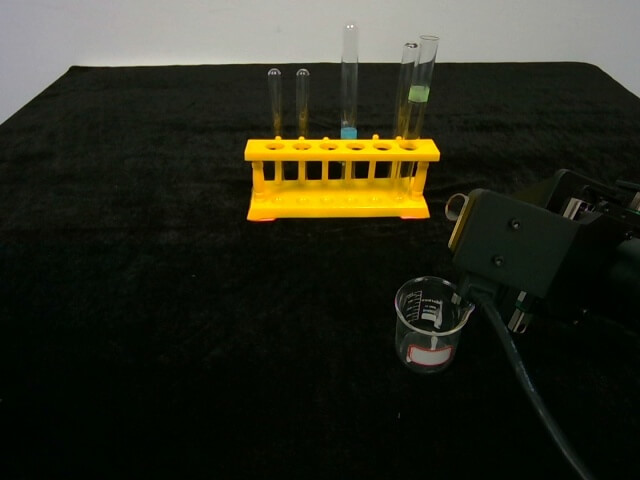
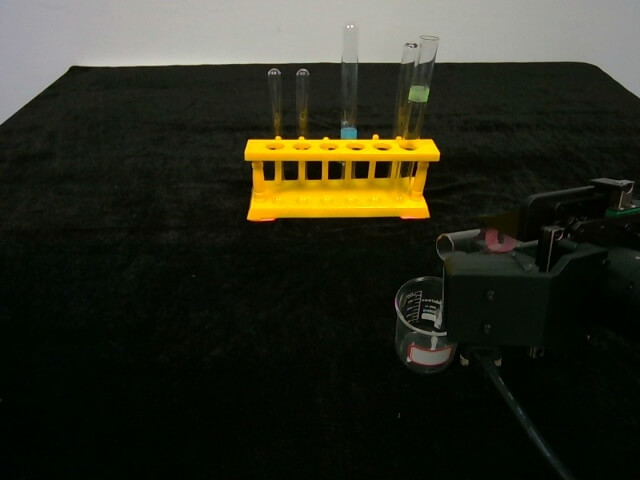
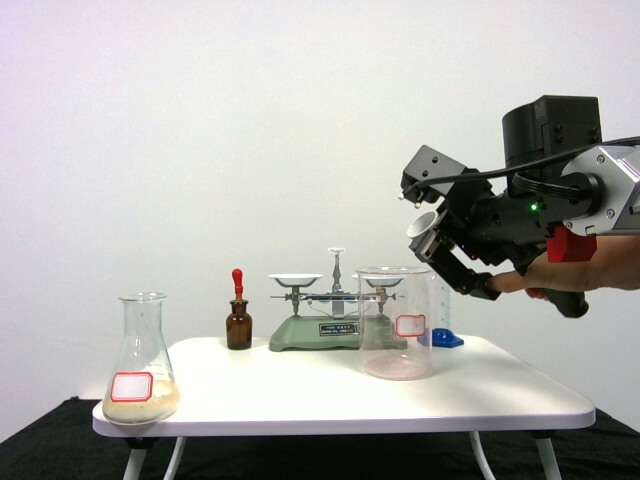
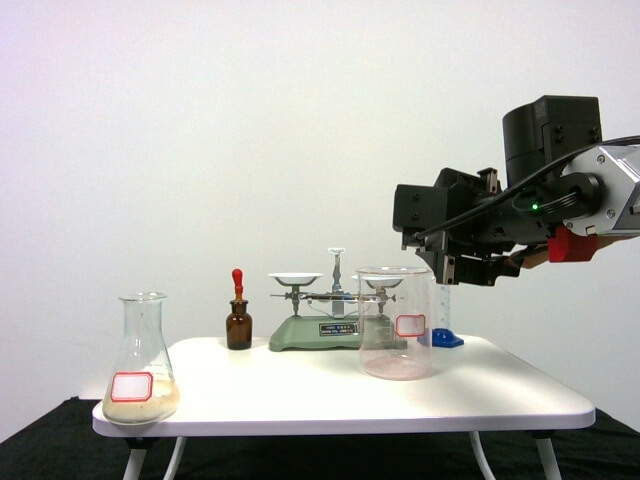
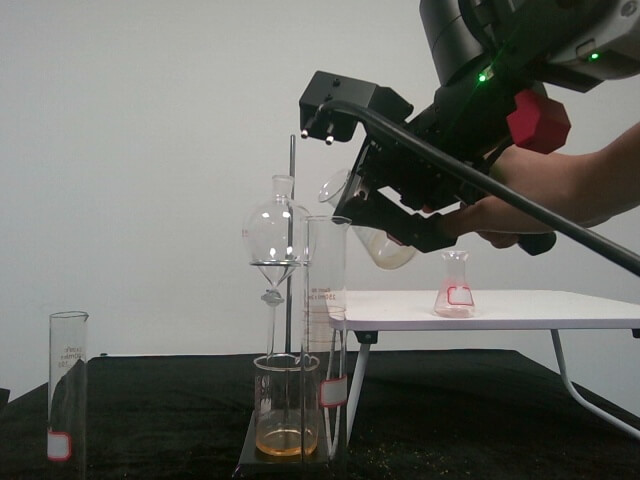
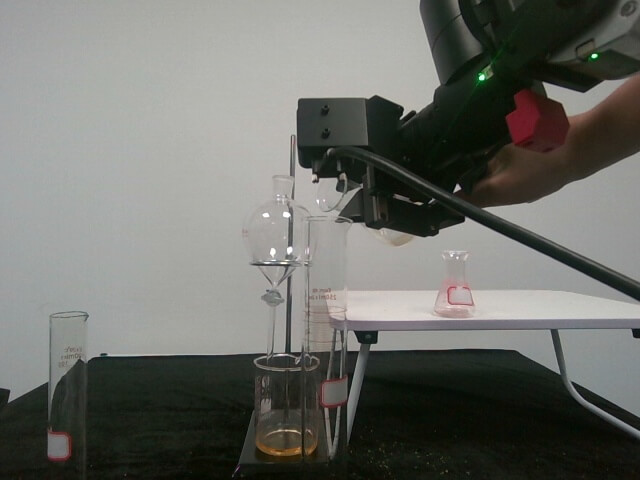
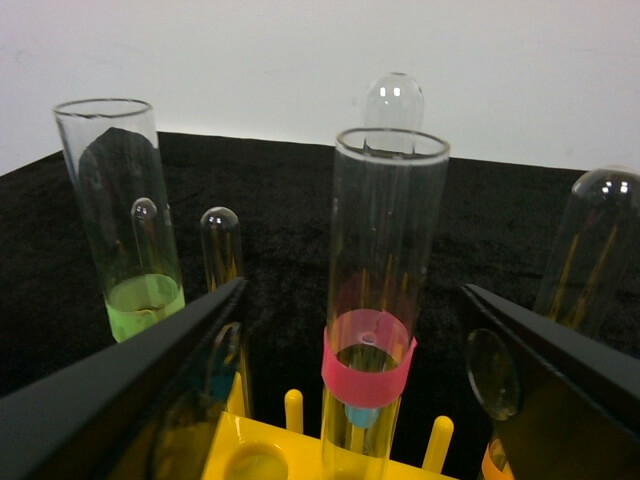
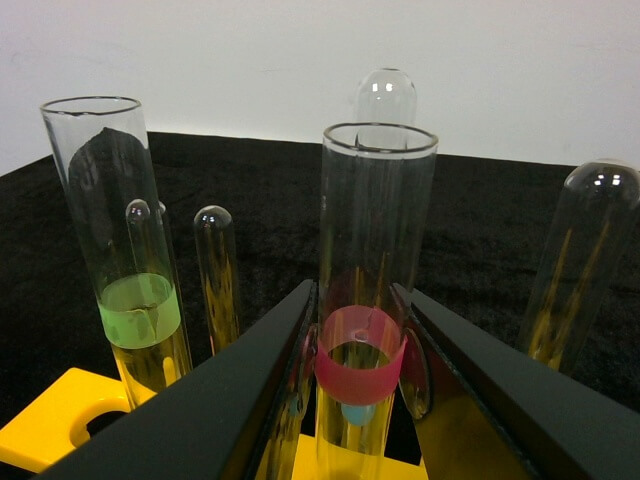
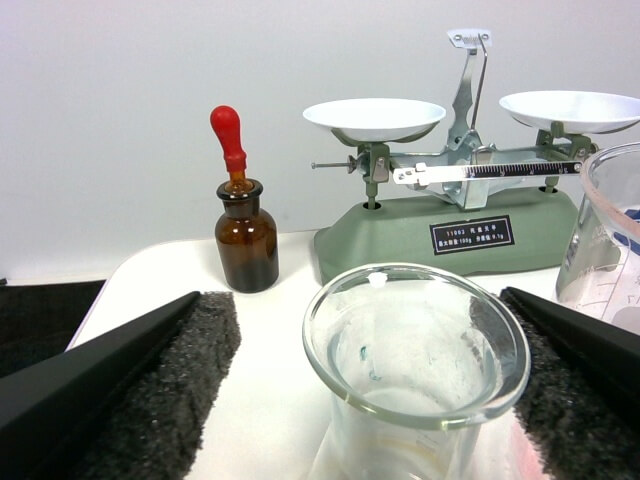
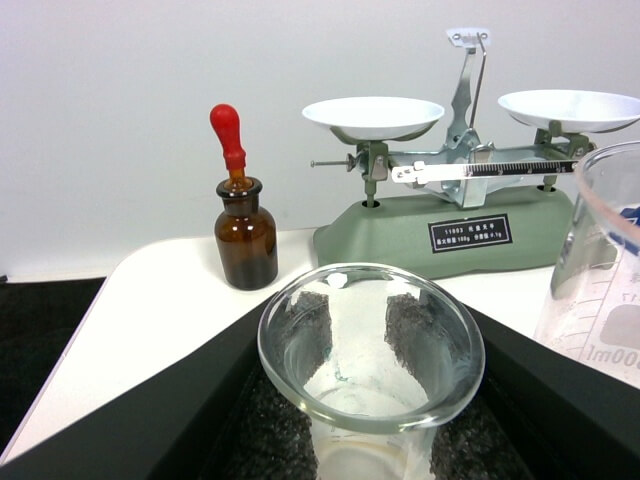
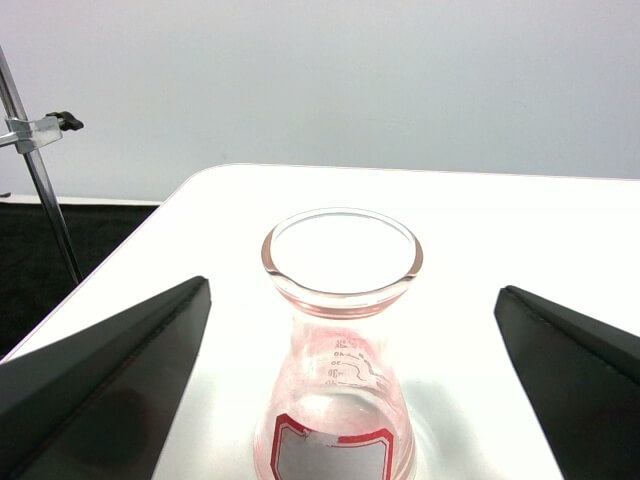
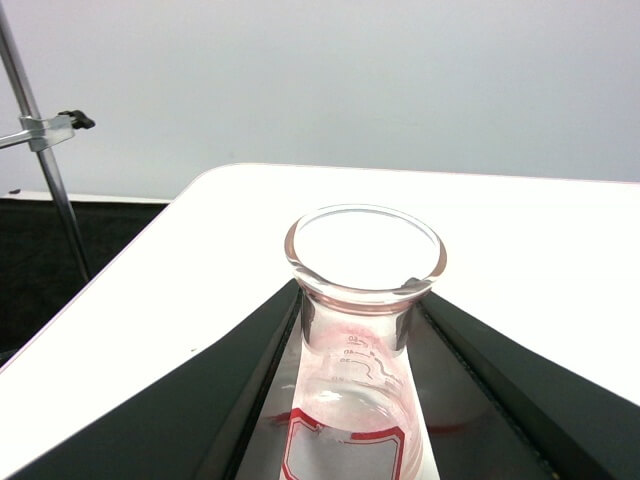
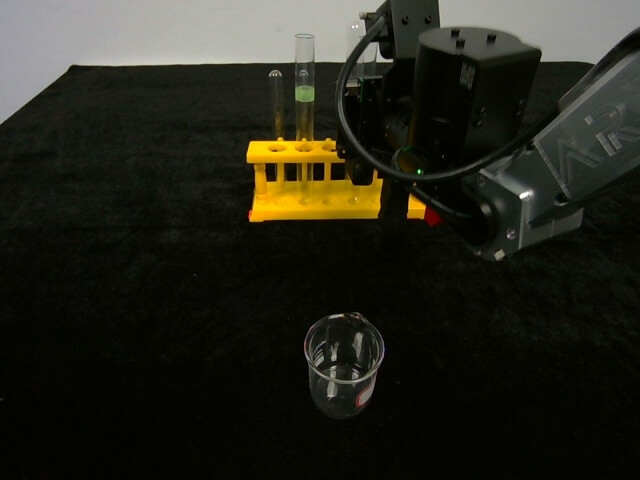
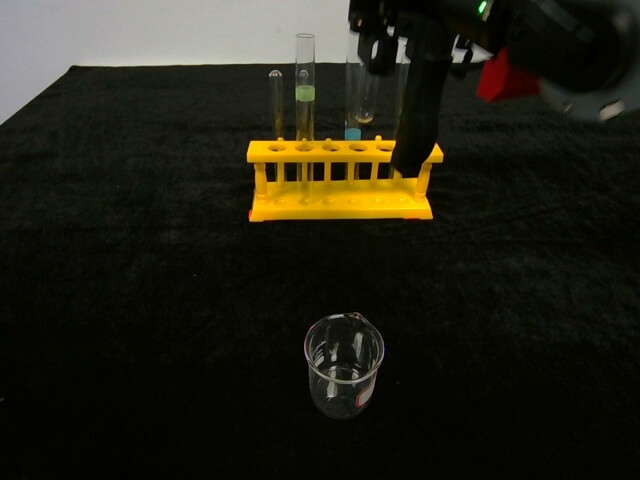
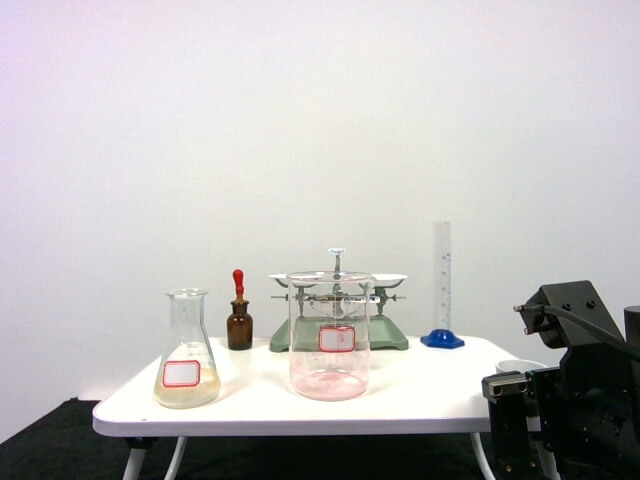
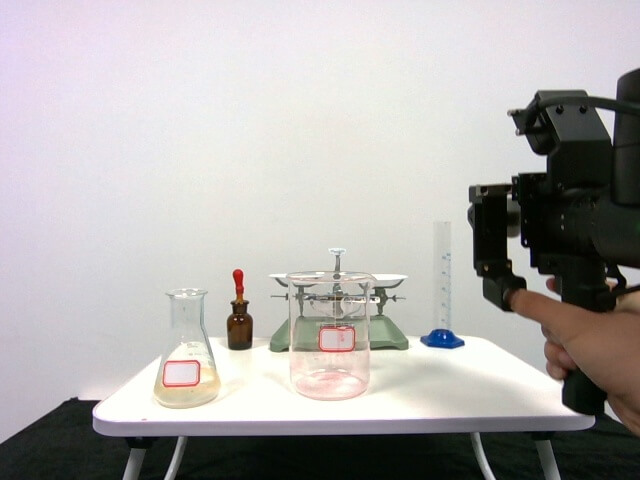
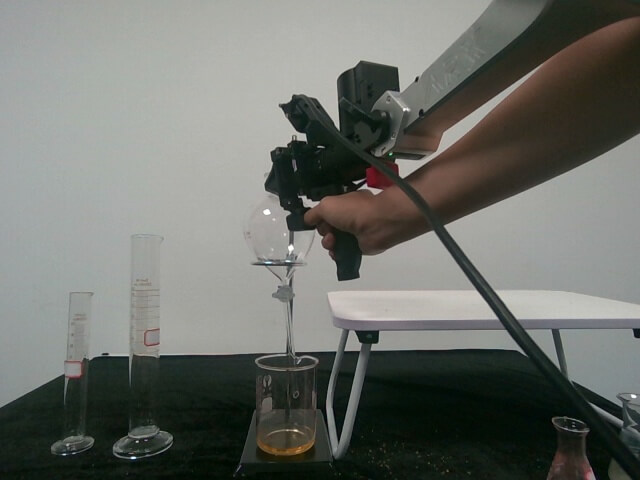
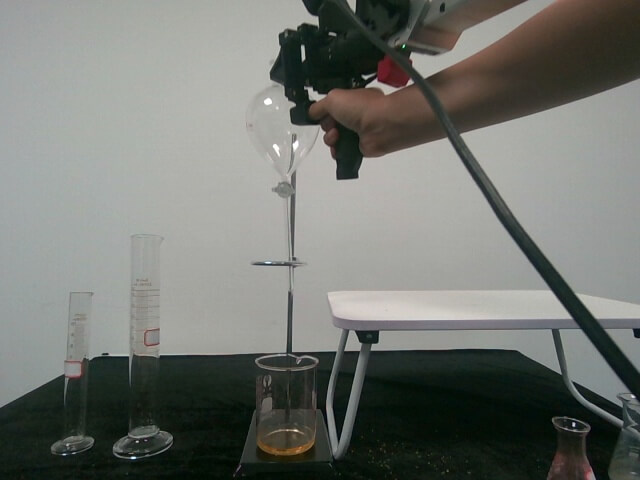
Each block is a before–after transition pair. Effect labels are shown for interpretation and do not enter the similarity ranking.
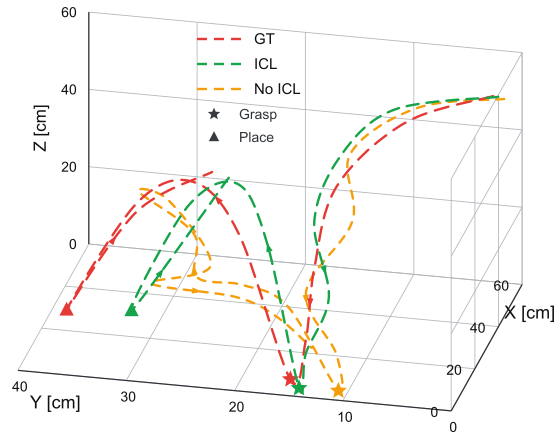
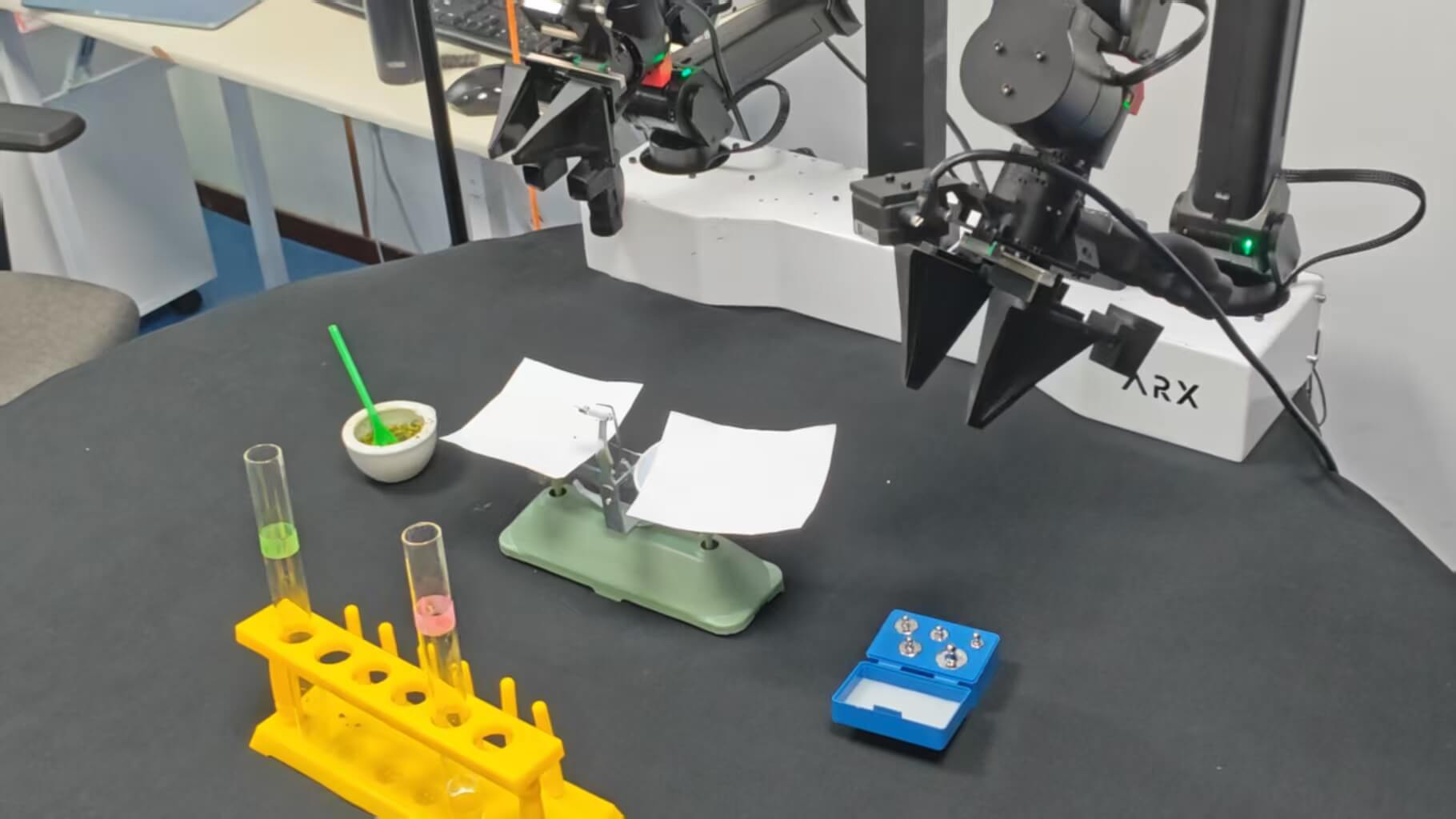
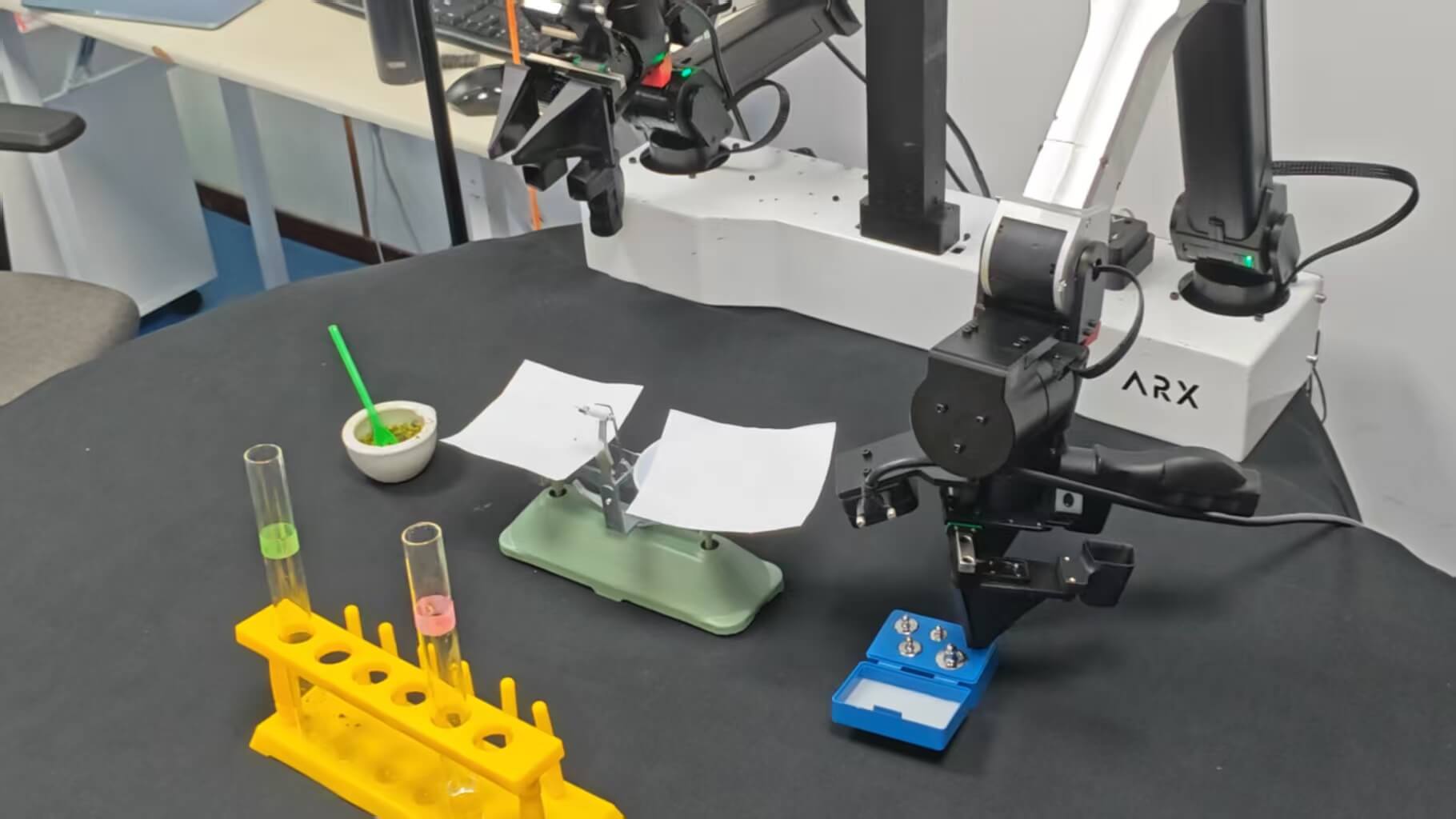
A single human-guided demonstration on Balance Weighing initializes PIM before autonomous execution. The frozen policy then reproduces the demonstrated approach, grasp, transfer, and placement — no gradient update needed. No ICL denotes execution without memory warm-up; ICL uses the demonstrated experience.
@misc{zeva2026,
  title={Zeva: In-Context Causal Learning for Generalizable Embodied Manipulation},
  author={
    Fu Chen, Xin Ding, Bingjia Huang, Xiangyu Li, Mingju Wang, Jiawei He, Kun Li, Wei Sun, Yunxin Liu, Hao Wu, Ting Cao
  },
  year={2026},
  url={https://arxiv.org/pdf/2608.30880},
}